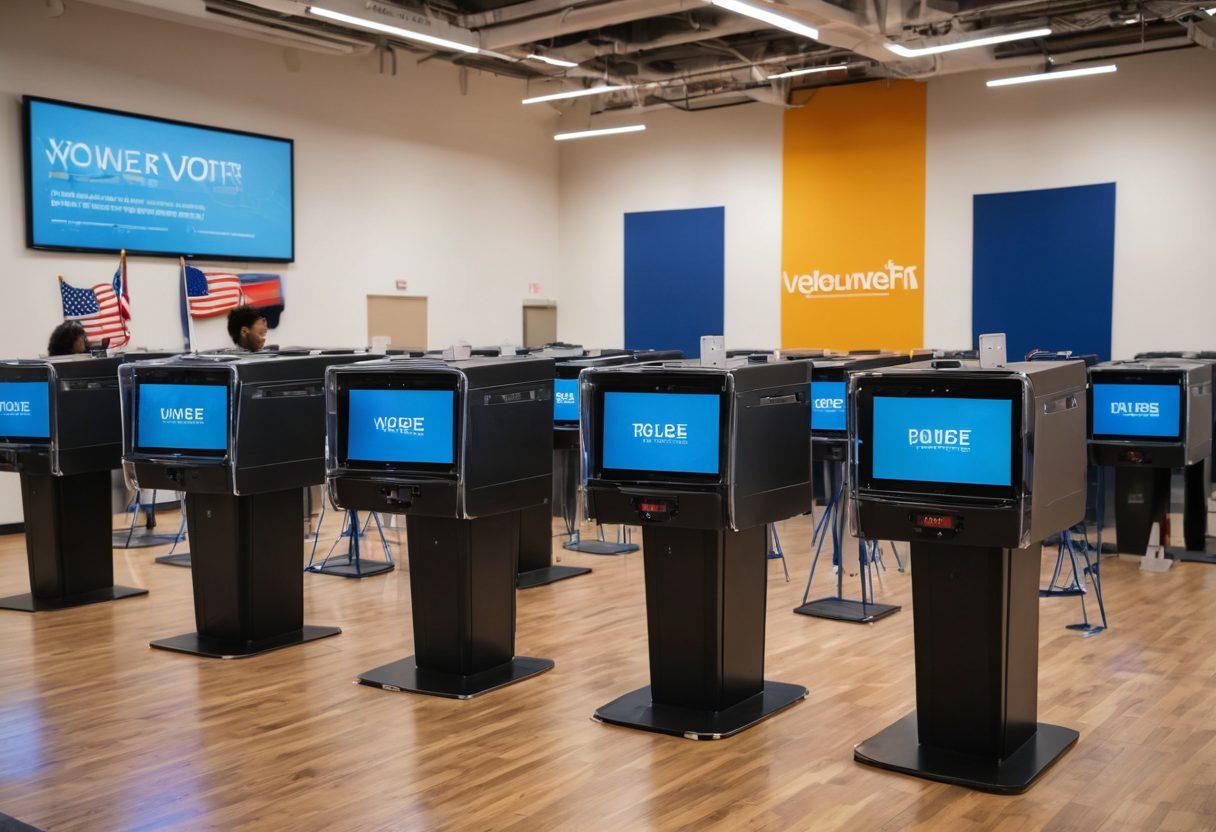
Navigating the Intersection of Insurance Coverage and E-Voting: A Guide to Ensuring Secure Elections
In our rapidly advancing digital age, the way we exercise our voting rights is transforming dramatically. As e-voting becomes more mainstream, there emerges a pressing question: How do we ensure the security of our elections while embracing these technological innovations? With the rise of internet voting and virtual elections, understanding the intricacies of insurance coverage for these voting systems is vital for safeguarding not just ballots, but the very essence of our democracy. Think about it—how can we trust our electoral process if we don't take the necessary steps to protect it?
Imagine it’s election day, and you are at home, safely casting your vote from the comfort of your couch. Sounds ideal, right? Yet, along with the convenience of remote voting comes the responsibility of ensuring election security. Here is where an insurance policy tailored for e-voting systems becomes crucial. By investing in robust insurance coverage for these platforms, we equate our voter enrollment process with integrity and safeguard the vote verification mechanisms that underpin trust in the electoral technology we rely on.
A secure voting system harnesses advanced electoral systems designed to uphold vote integrity while allowing for civic engagement that mirrors the modern voter’s expectations. As concerns rise around ballot security, it’s imperative to explore the options available in the market. Can you recall the last time you heard about a data breach impacting an online electorate? It raises an unsettling question: Are our current polling services doing enough to protect our citizens' votes? With absentee voting on the rise and digital voting platforms becoming a norm, we must prioritize insurance policies that cover all aspects of online voting.
This brings us to an engaging thought: What does election administration look like in a world of technology-driven voting? As citizens, we deserve transparency in the electoral process, from the moment we enroll to the time votes are tracked, managed, and reported. A solid insurance policy can greatly enhance the resilience of these processes, providing peace of mind that should anything go awry—whether it’s through cyberattacks or technological failures—we have measures in place to uphold ballot integrity. Imagine a future where voter confidence is not just a hope, but a guarantee grounded in comprehensive insurance coverage.
Ultimately, securing the future of democracy through e-voting encompasses not only the adoption of advanced polling methods but also a robust framework of insurance that supports these innovations. By integrating the elements of election security with well-thought-out insurance strategies, we can foster a trusting environment for democratic participation. With each election—be it a referendum or a general poll—the directive is clear: we must prioritize the protection of our electoral infrastructure, ensuring that every vote cast is one that can confidently make its way to results reporting. After all, at the heart of democracy is the unwavering belief that every citizen’s voice matters—and it’s our duty to protect that voice against any threat.
From Coverage to Compliance: Ensuring Integrity in Digital Voting and Electoral Technology
In an era where traditional voting methods are giving way to innovative solutions like e-voting and online electorate systems, ensuring the integrity of our electoral process has never been more critical. The growing digital landscape presents both exciting possibilities and formidable challenges. Picture this: You’re sitting at home on election day, sipping coffee, and you can cast your vote with a few simple clicks. Sounds convenient, right? Yet, as we embrace these advancements, we must ask ourselves—how do we balance this convenience with the essential elements of security and transparency?
To navigate this complex landscape effectively, having a robust insurance policy that covers potential liabilities associated with e-voting is vital. Especially for organizations that facilitate digital voting through electronic ballots or voting platforms, comprehensive insurance coverage becomes a safety net. A well-structured insurance policy should factor in aspects like vote verification, ballot security, and the integrity of the voting system. What happens if a cyber attack disrupts vote tracking, or if a polling method fails? This is why ensuring compliance with insurance requirements is paramount; it not only protects against potential defeats but also fortifies public trust in the electoral system.
Imagine voters being handed not just the responsibility of choosing leaders but also the power to engage in the electoral process like never before! With e-voting, citizen participation skyrockets as absentee voting and referendum options become more accessible. However, this ease of access must be mirrored with stringent election security measures. The question looms: What steps can election administrators take to guarantee that voter enrollment systems are fortified against fraud?
As we delve into the mechanics of electoral technology, one powerful tool is the increasingly popular virtual election setup. The beauty of internet voting lies in its ability to bring democracy right into voters’ living rooms. But, while democratic participation flourishes, we must remain vigilant. How do we ensure that the results reporting system is foolproof? A strong ballot management system combined with real-time monitoring could be the answer. Tech-savvy voters will want assurance that their votes are counted accurately, and integrity is upheld throughout.
As we chart a path into the future of voting, it becomes increasingly clear that civic engagement must go hand in hand with digital innovations. Embracing advanced voting systems not only enhances participation but challenges us to uphold the values of voting rights and election integrity. By developing comprehensive compliance strategies around these insured frameworks, we can pave the way for a secure and equitable digital voting experience. So ask yourself, are you ready to support a future where every vote counts—not just on paper, but in the ether of digital democracy?
Demystifying E-Voting: A Deep Dive into Insurance, Security, and Voter Rights in the Digital Age
In a world where digital footprints shape our everyday lives, it's no surprise that the electoral process is also evolving. As technology advances, e-voting emerges as a revolutionary method, promising to streamline voter enrollment and enhance citizen participation. However, with great progress comes considerable responsibility. How can we ensure that this brave new world of online electorate remains secure and trustworthy? The intersection of insurance coverage, election security, and voter rights plays a pivotal role in this narrative, making it crucial to demystify the e-voting phenomenon.
Imagine standing in line at a polling station, only to find out that an electronic ballot malfunction has turned your voting experience into a frustrating ordeal. With recent advancements in electoral technology, we now have the tools to ensure a smoother process. But what happens when issues arise? This is where understanding the significance of an insurance policy specifically crafted for electoral systems is essential. Such policies can safeguard the integrity of the voting system, providing necessary coverage against unforeseen events that could jeopardize vote integrity and effective election administration.
Civic engagement is a cornerstone of democracy, and the modern voter expects a seamless experience, whether they are casting their votes online or via traditional absentee voting methods. With the rise of internet voting, the importance of robust polling services cannot be overstated. What measures can be implemented to secure our virtual elections? By prioritizing ballot security and implementing effective vote verification procedures, we can help ensure the accuracy of results reporting. A well-structured plan that includes insurance coverage for unexpected challenges can foster trust in digital voting platforms and bolster democratic participation.
The right to vote is a fundamental aspect of our democratic process, and as such, it is essential to protect voting rights in this digital age. As we embrace the shift towards e-voting, questions surrounding ballot management, vote tracking, and election security become increasingly relevant. How can we integrate innovative technologies without compromising the electoral process? Technology must not overshadow the importance of safeguarding voters' rights; rather, it should empower citizens and enhance convenience in casting their votes.
As we move toward a more electronic approach with e-voting, it's crucial to remain vigilant. With complexities surrounding polling methods and virtual elections, vigilance in selecting trustworthy electoral systems is paramount. A reliable insurance coverage can serve as a safety net, offering peace of mind to election administrators, ensuring that should something go wrong, there are frameworks in place to protect the integrity of our elections. In this brave new world of democratic participation, let us champion the cause of secure digital voting while reinforcing the foundation of our democratic values.